
Vivian Mergler is a student at Eastern Michigan University and a Featured Blogger. She is studying with ISA in Florence, Italy.
Studying abroad is one of the most transformative experiences a student can have. It challenges perspectives, introduces new ways of life, and fosters independence in ways that few other academic opportunities can. For students traveling from the United States to study abroad in Europe, Asia, South America, or elsewhere, the value of immersing yourself in a new environment cannot be overstated. But to truly make the most of your time abroad—not just socially or personally, but intellectually—there’s one thing you shouldn’t overlook: taking a course focused on the history or culture of your host country.
While this advice is universally applicable, it holds particular weight in places rich with historical and cultural depth. Take Florence, Italy (my host country), for example: a city where every piazza, every fresco on a building, and every cobblestone seems to hold centuries of stories. As a student from the United States, where much of the architecture and public history is comparatively recent, studying in a city like Florence is an invitation to walk through time. Taking a class on local history or culture while studying abroad doesn’t just supplement your experience—it can redefine it.
Understanding the World Beyond the Tourist Lens
Traveling or living abroad can initially feel like being in a movie. Everything is charming, new, and perhaps even romanticized. But without a deeper understanding of what you’re looking at, you risk skimming the surface. A history or culture class provides that essential context. Rather than simply admiring the grandeur of the Duomo or snapping photos of statues in the Piazza della Signoria, you begin to understand their significance in shaping not only Florence but also the Western world.
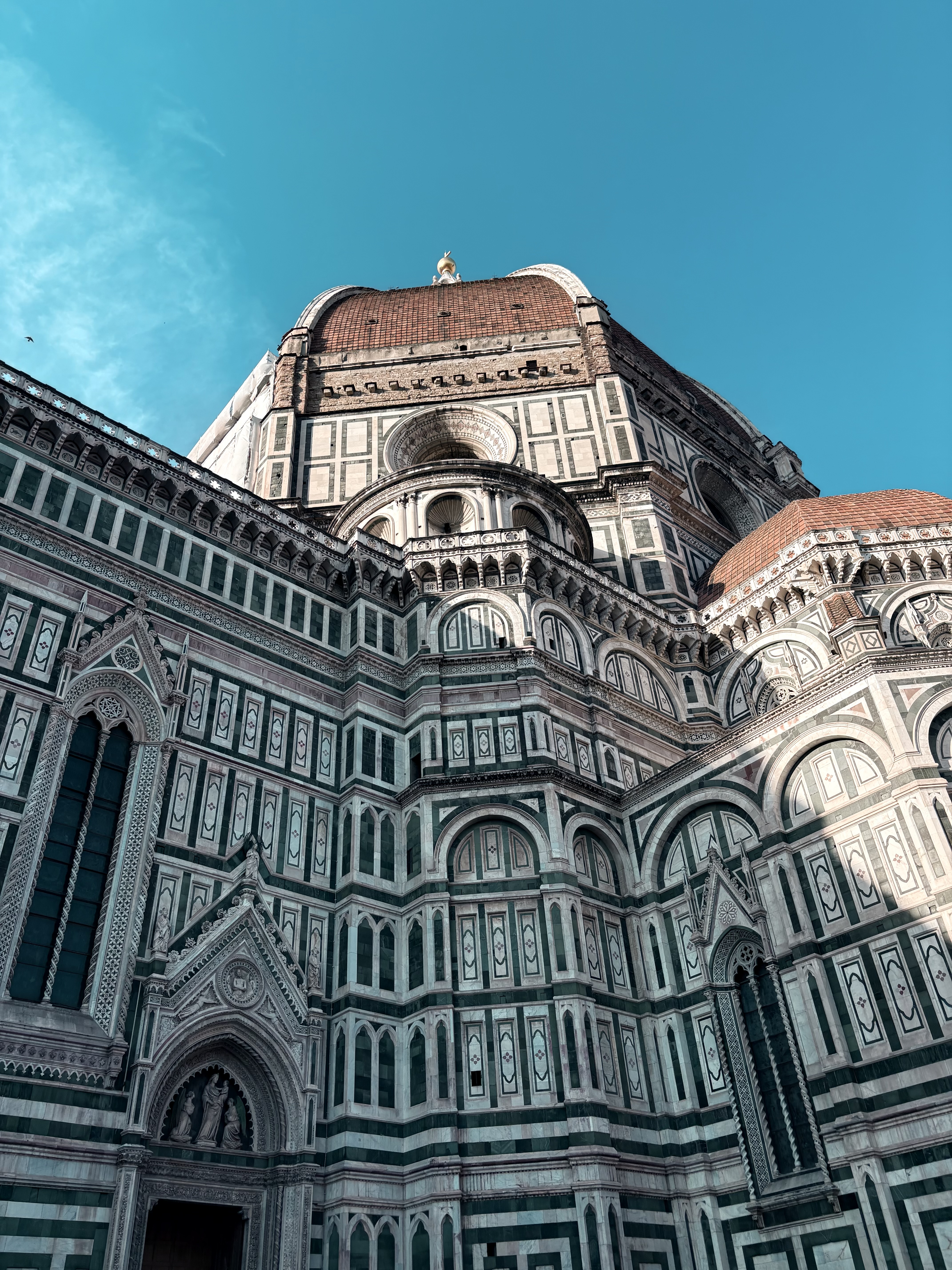
In Florence specifically, you’ll learn about the Medici family’s powerful influence on art and politics, the role Florence played in the Renaissance, and how centuries of shifting ideologies, invasions, and revolutions left their mark on everything from the city’s architecture to its cuisine (for example, Italian cuisine is MUCH deeper than just pizza and pasta!). With this knowledge, the city becomes more than a backdrop—it becomes a living textbook.
Bridging Academic Learning and Lived Experience
One of the most powerful aspects of taking a culture or history class while abroad is how seamlessly classroom context blends with real-world exploration. In Florence, you might study a fresco in the morning and stand before it in person that afternoon. You might read Dante’s Divine Comedy and then visit his house or the church where he first saw Beatrice. This kind of experiential learning helps concepts and historical figures come to life.

It’s one thing to read about Renaissance art in a textbook—it’s another to see Michelangelo’s “David” in person after discussing its artistic, political, and cultural significance in class, or dissecting photos of paintings displayed at the Uffizi Gallery and then standing before the actual piece later that week. These connections create lasting memories and a deeper intellectual appreciation of your host country.
Developing Cultural Sensitivity and Perspective
Cultural classes do more than just teach you about the past; they also introduce you to the present. As an American student, your cultural lens may be shaped by ideals of individualism, efficiency, and convenience. Living in Italy and learning about its social customs, values, and historical context can challenge some of those assumptions.
Why do meals take so long? Why do shops close in the afternoon? Why are relationships and social rituals emphasized over productivity? Understanding the “why” behind cultural differences prevents frustration and encourages empathy. It helps you move beyond simple comparisons like “better” or “worse” and instead fosters an appreciation for different ways of living.
This kind of cross-cultural awareness is not only personally enriching, but also incredibly valuable in professional settings. Employers increasingly look for candidates who are globally competent—those who can communicate effectively across cultures, think critically, and adapt in unfamiliar environments. A history or culture class equips you with exactly those skills.
Building Meaningful Connections
A lesser-discussed benefit of these classes is how they foster connection with both your peers and the local community. In many study abroad programs, culture and history classes tend to be smaller and discussion-based. This creates a space for open conversation, comparison of experiences, and reflection. You hear how others are interpreting their surroundings, and you begin to process your own observations more deeply.
Additionally, many of these courses incorporate opportunities for engagement with locals, be it through museum visits, interviews, walking tours, or collaborative projects. In Florence, for example, you might visit a family-run artisan workshop or take a guided tour of a historic neighborhood. These moments provide authentic interactions that go beyond the surface-level encounters you might otherwise have as a visitor.
Making Study Abroad Truly Transformative
While travel, social outings, and weekend trips are highlights of any study abroad experience, they don’t necessarily lead to lasting intellectual growth on their own. A culture or history class acts as a kind of anchor—giving shape, meaning, and intentionality to your time abroad. It encourages reflection and personal growth, challenging you to ask deeper questions about where you are, who you are becoming, and how the world works.
And perhaps most importantly, these classes often lead to lasting memories. Years later, you may forget the exact itinerary of your weekend trip to Venice, but you’ll remember standing in front of your favorite painting and truly understanding its context. You’ll remember the class discussion that helps you finally grasp the significance of a political event or religious tradition. These are the moments that turn studying abroad into a life-changing experience.
Final Thoughts
Studying abroad offers countless opportunities for adventure and discovery, but the most meaningful experiences are often the ones that help you connect with the place and people around you on a deeper level. Whether you’re walking the streets of Florence, the markets of Kyoto, or the temples of Cusco, taking a course in local history or culture helps you become not just a visitor, but a thoughtful participant in a living, breathing cultural narrative. For students from the United States (and really, from anywhere), it’s an investment in perspective, empathy, and lifelong learning.